
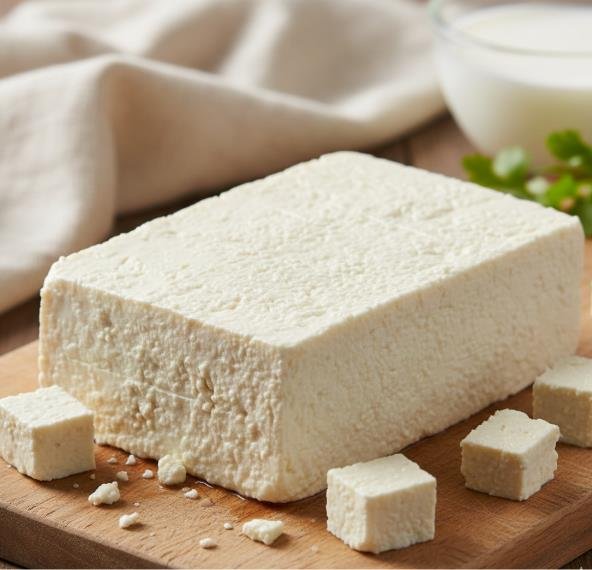
Paneer Beyond Recipes: How to Identify Truly Fresh Paneer
Paneer is a cornerstone of Indian cuisine—versatile, protein-rich, and beloved in both home kitchens and professional kitchens. From paneer butter masala to palak paneer, it’s the go-to vegetarian protein.
But not all paneer is created equal. While supermarket and packaged paneer may last longer on the shelf, freshness and quality are what determine nutrition, taste, and texture. Understanding how to identify truly fresh paneer ensures that every bite delivers both flavour and health benefits.
Why Fresh Paneer Matters
Paneer is made from milk, and its quality directly depends on the milk used and the processing method. Fresh, minimally processed paneer:
- Retains protein and calcium
- Is soft yet firm enough to hold shape in cooking
- Does not contain preservatives or additives
Packaged paneer that lasts longer often contains stabilizers or is made from reconstituted milk solids, which can compromise taste, nutrition, and digestibility.
How Paneer is Traditionally Made
Understanding the process helps you identify freshness:
- Milk selection: high-quality cow or buffalo milk
- Coagulation: using lemon juice, vinegar, or citric acid
- Draining whey: curdled milk is strained in muslin or cheesecloth
- Pressing: blocks are lightly pressed to remove excess water
Paneer is best when consumed within 24–48 hours of preparation. Longer storage often requires refrigeration, which may alter texture.
Top Signs of Fresh Paneer
- Appearance andColour
- Should be white or slightly off-white, uniform without yellow spots
- Avoid paneer that appears too glossy or too dry
- Texture
- Soft, slightly spongy, yet firm enough to cut without crumbling
- Should crumble gently when pinched but not break apart like sand
- Smell
- Fresh paneer has a neutral, slightly milky aroma
- Sour, pungent, or chemically scented paneer indicates spoilage or preservatives
- Taste
- Mild, creamy flavour; not tangy or bitter
- Slightly sweet aftertaste is normal and indicates freshness
- Water Content
- Fresh paneer will release some whey when pressed
- Overly dry or rubbery paneer is often old or over-processed
Regional Variations and Their Impact
Different regions in India produce paneer differently:
- North India: Soft, spongy paneer for curries
- South India: Slightly firmer paneer, often used in gravies
- Buffalo milk paneer: Creamier, higher fat, richer taste
- Cow milk paneer: Lighter, easier to digest
Knowing the type of milk used helps set expectations for texture and cooking performance.
Tips for Buying Fresh Paneer
- Check the Source Farmer-linked dairies or trusted brands often maintain freshness standards Ask for pasteurisation and milk sourcing information
- Check Packaging For packaged paneer, check the manufacturing and expiry date Avoid paneer with chemical preservatives listed
- Storage Practices Fresh paneer should be refrigerated at 2–4°C Consume within 2–3 days for optimal taste and nutrition
- Observe Water Quality Whey released should be clear, not milky or yellowish Milky or discoloured whey can indicate poor milk quality
Cooking with Fresh Paneer
Fresh paneer:
- Holds shape better in curries, kebabs, and grilling
- Absorbs flavours more evenly
- Offers a better texture in stuffed dishes, like parathas or sandwiches
Tips for maintaining texture:
- Avoid overcooking in high heat
- Use gentle simmering for curries
- Marinate briefly for kebabs and tikkas
Health and Nutritional Benefits
Paneer is rich in:
- Protein: essential for muscle repair and satiety
- Calcium & phosphorus: supports bone health
- Vitamin B12: important for energy and nerve function
Fresh paneer is also easier to digest, especially when made from cow or buffalo milk sourced from healthy, well-fed animals.
The Role of Farmer-Linked Dairies
Paneer quality is not just about processing—it starts at the farm. Farmer-linked dairies ensure:
- Milk is fresh, hygienic, and properly stored
- Milk composition is consistent (fat and SNF content)
- No harmful additives are introduced
Buying paneer from trusted sources supports both your health and sustainable dairy ecosystems.
FAQs: Fresh Paneer
- How long does fresh paneer last?
Ideally24–48 hours in the fridge. Avoid freezing if possible, as it changes texture. - Is paneer made from buffalo milk better than cow milk?
Buffalomilk paneer is richer in fat and creamier; cow milk paneer is lighter and easier to digest. - Can I eat paneer daily?
Yes, in moderation. It is a healthy protein source, especially for vegetarians. - How to store paneer at home?
Keep in an airtight container with water in the fridge; change water daily tomaintain freshness. - Can paneer go bad without smell orcolourchange?
Yes, always check texture and taste. Fresh paneer should be soft, spongy, and mildly milky.
Conclusion: Freshness is Key
Paneer is not just an ingredient; it’s a measure of dairy quality. The fresher the paneer, the better it performs in cooking, the richer its taste, and the higher its nutritional value.
When choosing paneer, look beyond packaging and price. Focus on freshness, source, and processing transparency. This not only improves your meals but also supports healthy dairy practices and farmer livelihoods.
By returning to fresh, high-quality paneer, you preserve nutrition, taste, and culture—all in one bite.
About Arna Dairy
Established in 1940 as Pankaj Dairy, Arna Dairy Farm Private Limited is Bangalore’s oldest family-run dairy, proudly rooted in Karnataka. With over 85 years of heritage, Arna stands for purity, ethics, and community care. Supplying fresh dairy products to thousands of households and premium hospitality brands, Arna Dairy works with 17,000 farmers across Hassan, Chikmagaluru, and Shivamogga to deliver high-quality milk with a promise of trust and transparency.
Contact Arna Dairy
📍 Registered Office: SY NO-80/3, Kyalasanahalli , Hennur Airport Road, Bangalore, Karnataka – 560077, India
📧 Email: info@arnadairy.in