In an age of packaged nutrition and imported superfoods, many traditional Indian dairy foods are quietly disappearing from everyday diets. What once formed the backbone of balanced meals is now often replaced by processed alternatives with longer shelf lives—but fewer nutritional benefits.
Yet, traditional dairy foods remain among the most nutrient-dense, gut-friendly, and culturally relevant foods available to Indian households today. When sourced responsibly and consumed mindfully, they continue to support digestion, immunity, bone health, and overall well-being.
Here are six traditional dairy foods that still deserve a regular place on your table—and why they matter more than ever in 2026.
- Curd (Dahi): India’s Original Probiotic
Curd has been a staple across Indian kitchens for centuries, valued for its cooling properties and digestive benefits. Naturally fermented, curd contains beneficial bacteria that support gut health, improve nutrient absorption, and strengthen immunity.
Unlike flavoured or packaged yoghurts, traditionally set curd:
- Contains live cultures
- Is free from added sugars and stabilisers
- Supports lactose digestion
Regular consumption of fresh curd can help balance gut microbiota, especially when eaten during lunch, paired with rice or millets.
Best practice:
Always choose curd made from fresh milk and consumed within a day. Over-fermented curd can become acidic and may not suit everyone.
- Ghee: Clarified Fat with Functional Benefits
For years, ghee was wrongly labelled unhealthy due to its fat content. Modern research and traditional wisdom now agree: pure ghee, consumed in moderation, plays a functional role in nutrition.
Traditionally prepared ghee:
- Aids digestion and nutrient absorption
- Supports joint and gut health
- Has a high smoke point, making it ideal for Indian cooking
Ghee is also rich in fat-soluble vitamins like A, D, E, and K, which are essential for hormone balance and immunity.
What matters most: purity. Ghee made from clean milk and traditional processes retains both flavour and nutritional integrity.
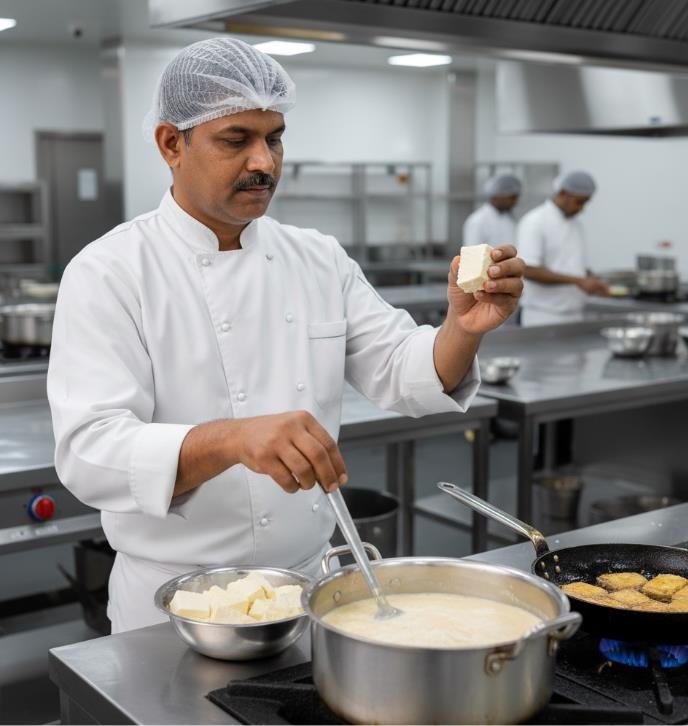
- Paneer: Fresh Protein, the Traditional Way
Paneer has long been India’s primary vegetarian protein source. Unlike aged cheeses, paneer is meant to be fresh, soft, and minimally processed.
Good-quality paneer provides:
- High-quality protein
- Calcium and phosphorus
- Satiety without heaviness
Traditionally made paneer spoils quickly—this is a sign of freshness, not a flaw. Paneer with an unnaturally long shelf life often relies on preservatives or processing techniques that affect taste and texture.
Tip:
Fresh paneer should smell neutral, feel soft but firm, and crumble gently when pressed.
- Butter (Makhan): Less Processed Than You Think
Hand-churned butter, or makhan, was once a common by-product of curd in Indian homes. Unlike heavily processed spreads, traditional butter:
- Is made from fermented curd
- Contains natural milk fats
- Is free from emulsifiers
In small quantities, makhan adds flavour and nourishment, especially for growing children and elderly individuals.
Moderation matters:
Butter is calorie-dense, but when used traditionally—not excessively—it remains a wholesome fat source.
- Buttermilk (Chaas): Hydration with Purpose
Chaas is more than a summer cooler. Light, spiced buttermilk:
- Supports digestion
- Prevents dehydration
- Helps regulate body temperature
Prepared from diluted curd, chaas is low in fat but rich in electrolytes and beneficial enzymes.
Compared to packaged beverages, chaas offers:
- No added sugar
- Natural probiotics
- Improved digestion after meals
Adding cumin, ginger, or curry leaves enhances both flavour and digestive benefits.
- Khova(Mawa): Concentrated Dairy Nutrition
Khova is simply milk reduced slowly until it thickens—a method that preserves milk solids and flavour. Traditionally used in Indian sweets, khova:
- Contains concentrated protein and calcium
- Is highly perishable, indicating freshness
- Reflects the quality of milk it comes from
Pure khova should smell mildly milky and feel soft, not rubbery or grainy.
Important:
Adulterated khova is common. Always choose khova from trusted, transparent dairy sources.
Why Traditional Dairy Still Matters Today
What connects all these foods is not nostalgia—but process and intent. Traditional dairy foods were:
- Made from fresh milk
- Prepared close to the point of consumption
- Free from unnecessary processing
In contrast, modern dairy often prioritises shelf life over nutrition.
Choosing traditionally prepared dairy supports:
- Better digestion
- Cleaner nutrition
- Local dairy ecosystems
It also strengthens farmer-linked supply chains that value quality at the source.
FAQs: Traditional Dairy Foods
- Are traditional dairy foods suitable for lactose intolerance?
Many people with lactose sensitivity tolerate curd, buttermilk, and ghee better than milk because fermentation and clarification reduce lactose content.
- How often should traditional dairy be consumed?
Moderation is key. Small, regular portions aligned with your body type and climate work best.
- Is packaged paneeras good as freshpaneer?
Fresh paneer typically has better texture and nutritional value. Packaged paneer may undergo processing to extend shelf life.
- Can ghee be used daily?
Yes, when used sparingly and sourced pure, ghee can be part of a balanced daily diet.
- How can I ensure dairy purity at home?
Choose dairies that work directly with farmers, follow transparent testing, and prioritise freshness over long shelf life.
Returning to What Works
Traditional dairy foods have endured not because of trends, but because they work—with the body, climate, and culture.
As awareness grows around food quality and sourcing, these time-tested dairy foods are finding their way back onto modern plates. Not as indulgences, but as everyday nourishment.
Sometimes, the most relevant nutrition for today is the one we already knew.
About Arna Dairy
Established in 1940 as Pankaj Dairy, Arna Dairy Farm Private Limited is Bangalore’s oldest family-run dairy, proudly rooted in Karnataka. With over 85 years of heritage, Arna stands for purity, ethics, and community care. Supplying fresh dairy products to thousands of households and premium hospitality brands, Arna Dairy works with 17,000 farmers across Hassan, Chikmagaluru, and Shivamogga to deliver high-quality milk with a promise of trust and transparency.
Contact Arna Dairy
📍 Registered Office: SY NO-80/3, Kyalasanahalli , Hennur Airport Road, Bangalore, Karnataka – 560077, India
📧 Email: info@arnadairy.in